

Tuesday, June 16, 2026 {HMC} This week, one of the most important events in the region took place, and it is an event that the whole world has been waiting for.
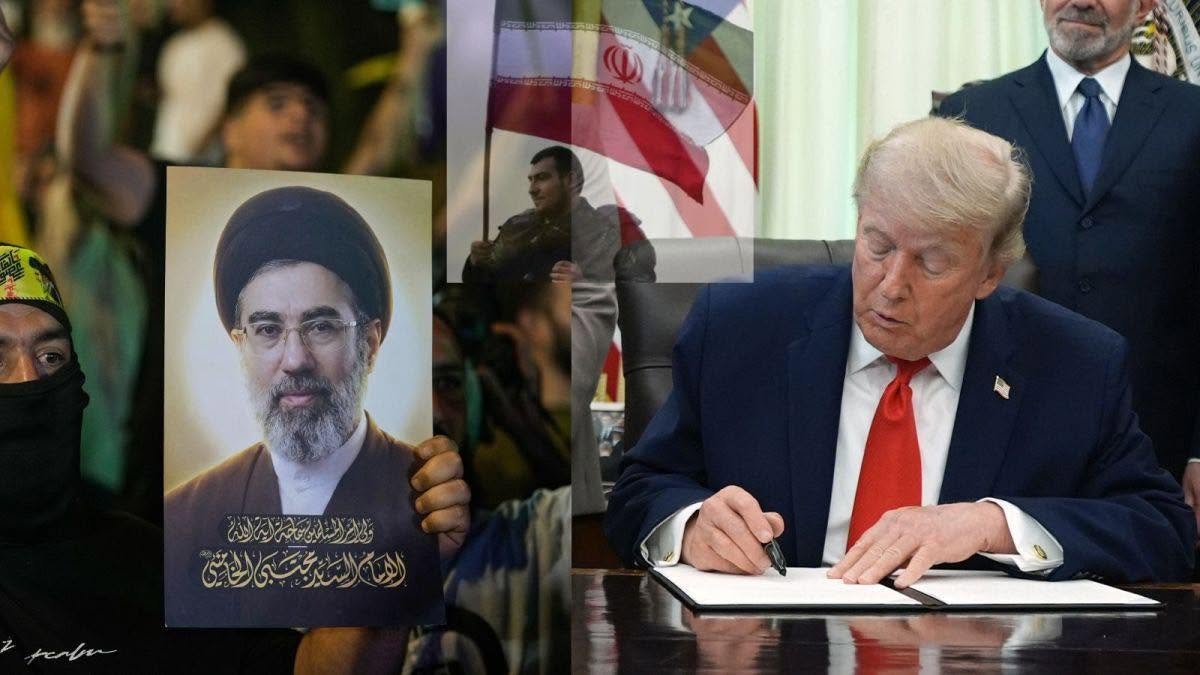
It was announced that an agreement was reached between the United States and Iran.
In recent months, there have been repeated rumors that an agreement is imminent, however, sometimes Iran has denied the news, sometimes the United States has denied it, and sometimes the situation has become more difficult and tensions have increased.
But what is interesting this time is that the United States and Iran have simultaneously announced that they have reached an agreement.
This has sparked a great debate about: Who won? The United States or Iran?
Therefore, I present to you here an analysis that tries to look at the issue calmly, avoiding the propaganda and claims of both sides, which I will give in part.
First, let me explain what happened.
Everyone was looking for a way to end the war.
The United States wanted the war to end.
Iran wanted it to end too.
The countries in the region also wanted the war to end.
But they all faced obstacles that prevented a quick agreement from being reached.
Where did the obstacles come from?
The reason was that there was no trust between the United States and Iran, and this made it difficult to reach a quick agreement.
It was like two people who hated each other very much and did not trust each other at all, but still wanted to exchange something valuable. Because trust was completely absent on both sides.
Therefore, in order to create a little trust, the mediating countries proposed to first sign what is called a Memorandum of Understanding.
But what is the difference between this understanding and a peace treaty?
A memorandum of understanding is like a letter or preliminary agreement that is not fully legally binding on either party.
What is sought in a memorandum of understanding is for both parties to test each other and see how serious they are about the desire for peace.
In other words, it is a quick step without a great deal of legal burden.
But a comprehensive peace agreement is much more difficult, making what the United States and Iran are currently reaching, not a formal agreement, but only a compromise that does not reach a permanent agreement that cannot be broken.
It also requires the approval of parliaments and Congress to reach a formal agreement, which is sometimes met with controversy and political opposition.
On the other hand, a memorandum of understanding can be signed quickly by the parties and can enter into force immediately.
To turn this agreement into an agreement requires many months of technical and political negotiations.
As long as everything is in agreement, it gives each side a sense of security.
If one side sees that the other side has betrayed or broken its promises, it can withdraw from the agreement.
But the important question is:
What are the terms of the agreement between the United States and Iran?
There are many who say that Iran has won.
There are also those who say that the United States has won and Iran has surrendered.
But how can one know the truth?
When the negotiations to reach this agreement were going on, and Pakistan was mediating, both sides reached an interesting decision.
They stipulated that the terms of the agreement should not be made public.
At least for now.
It may not even be officially announced until a final agreement is reached.
Imagine, when Iran’s Foreign Minister, Araghchi, gave an interview on Iranian state television, he refused to even say…

